The Story in 3 Sentences
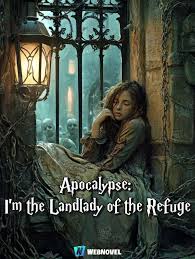
After surviving three brutal years in a zombie apocalypse only to be betrayed and cast out by her own family, Ji Wanwan seizes a second chance when time rewinds to just before the world ends.
Armed with memories of her past life and a powerful space-manipulation ability, she transforms a humble fitness club into an impenetrable refuge, collecting loyal allies and formidable tenants while exacting cold, calculated revenge on those who wronged her.
What begins as a desperate bid for survival evolves into a commanding rise as she builds a sanctuary that becomes a beacon of order in a lawless world, challenging even the largest post-apocalyptic factions.
Why It Stands Out
1. Sanctuary as Sovereignty
Instead of chasing endless battles or romantic subplots, the novel centers on the radical idea of property as power. Ji Wanwan doesn’t just survive—she owns, governs, and monetizes safety itself. Her refuge operates like a sovereign state with rent, rules, and resource control, flipping the typical apocalypse narrative from scavenger to landlord. This shift reframes survival not as desperation but as enterprise, making every decision feel strategic and grounded.
2. Revenge Without Redemption Theater
The protagonist’s vengeance is swift, unsentimental, and often delivered through spatial imprisonment or economic exclusion rather than brute violence. There’s no drawn-out moral wrestling or last-minute forgiveness—just consequences served cold. This unapologetic approach resonates with readers tired of performative empathy in female-led revenge arcs, offering catharsis through efficiency rather than drama.
3. System Meets Slice-of-Life in Chaos
While many apocalypse novels drown in constant threat escalation, this story balances high-stakes defense with surprisingly domestic moments: managing tenant disputes, optimizing storage space, and even healing allies with an “Equivalence Healing” ability. The blend of system-based mechanics and quiet base-building creates a rhythm that feels both epic and intimate, like running a post-apocalyptic inn where every guest could be a warlord or a zombie.
Characters That Leave a Mark
There’s Xu Siming – the loyal martial artist with a military shovel and unwavering resolve, who becomes Ji Wanwan’s first true ally and enforcer, often charging into danger with her without hesitation.
You’ll meet Wen Yuheng, who leads the Wen siblings and provides critical intelligence about major factions like the Baize Union, acting as both strategist and bridge to the wider survivor network.
And Baize? They’re the one who commands the powerful Baize Union, a dominant force in the wasteland whose calculated interest in Ji Wanwan’s refuge shifts from threat to uneasy negotiation as her influence grows.
The Flaws Fans Debate
Some readers criticize the protagonist’s emotional flatness, noting she often reacts to trauma and triumph with the same detached pragmatism, making her feel more like a system avatar than a human.
The repetitive structure of “intruder arrives, gets trapped, gets expelled or recruited” can make mid-story chapters feel formulaic, with little narrative escalation beyond base upgrades.
Romantic subplots are either underdeveloped or sidelined entirely, leaving fans of sci-fi romance disappointed despite the genre tag, as emotional connections rarely deepen beyond utility.
Must-Experience Arcs
Ch. 1–20: The Fitness Club Fortress – Ji Wanwan secures the Weilan Fitness Club, uses her space powers to trap betraying relatives, and establishes her first rules of tenancy, turning a gym into an unbreachable stronghold.
Ch. 50–80: The Baize Union Standoff – Tensions peak when the powerful Baize Union targets the refuge; Ji Wanwan deploys layered spatial defenses and tactical alliances to repel a full-scale assault without losing a single tenant.
Ch. 140–179: Sovereign of the New Order – With her refuge now a recognized neutral zone, Ji Wanwan negotiates with multiple bases, integrates rare-element users, and confronts the ethical weight of her absolute control, culminating in a final choice between isolation and leadership.
Killer Quotes
“To build a refuge, you don’t need mercy—you need walls.”
“Kindness without power is just an invitation to be devoured.”
“In this world, rent isn’t paid in coins—it’s paid in loyalty, silence, or blood.”
Cultural Impact
Readers on Webnovel have dubbed Ji Wanwan the “Landlady of Doom,” spawning memes of landlords charging zombies for parking in their apocalypse garage.
The novel’s unique blend of property management and superpowers inspired fanfiction crossovers with games like The Sims and Fallout, imagining “refuge builds” as playable strategies.
With over 968,000 views and consistent top-10 rankings in Webnovel’s sci-fi category, it helped popularize the “female landlord” trope in English-translated Chinese web novels, influencing titles like “I Become a Landlady in the Game World.”
Final Verdict
Start Here If You Want:
A lean, revenge-driven apocalypse story where the heroine wins by owning real estate, not just weapons.
A protagonist who weaponizes logistics, space, and social contracts instead of relying on romance or luck.
Fast-paced, satisfying payback arcs that deliver justice within chapters, not volumes.
Study If You Love:
Narratives that reframe survival through economic and spatial control rather than combat prowess alone.
The evolution of sanctuary as a political entity in post-collapse fiction, echoing themes from works like “Snowpiercer” or “The Last of Us” but with entrepreneurial flair.
Female-led stories that reject emotional labor tropes in favor of strategic autonomy and institutional building.
Avoid If You Prefer:
Deep character interiority or slow-burn emotional development—this is plot-forward and pragmatic.
Traditional romance arcs; the “romance” tag is more atmospheric than substantive.
Stories with ambiguous morality—here, betrayal is punished, loyalty is rewarded, and the system rarely wavers.