The Story in 3 Sentences
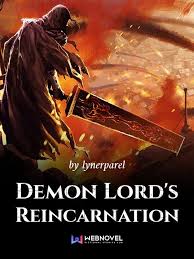
Once the most feared ruler of monsters in the land of Isigwere, the Demon Lord Leinad is betrayed and slain by his own son, ending his reign of terror at the hands of a coalition of heroes.
Reincarnated into a new life as a human named Leo, he grapples with the loss of his former power while navigating a world that still fears the legacy he left behind, eventually forming an unexpected bond with the very hero destined to oppose him.
As Leo uncovers hidden truths about his past, the nature of his betrayal, and the real forces that manipulated both demons and humans, he must choose whether to reclaim his old identity or forge an entirely new path that transcends the cycle of vengeance.
Why It Stands Out
1. A Demon Lord Who Chooses Friendship Over Fear
Unlike most reincarnation tales where former tyrants seek redemption through domination or isolation, this story flips the script by placing the ex-Demon Lord in the role of the hero’s closest confidant. His journey isn’t about reclaiming a throne but understanding humanity from within, making his internal conflict far more nuanced than typical power fantasies.
2. Betrayal as the Catalyst, Not the Climax
The novel opens with the ultimate act of treachery—being murdered by one’s own child—but instead of using that as a late-game twist, it becomes the foundation for everything that follows. This inversion allows the narrative to explore grief, identity, and forgiveness long before most stories even introduce their first antagonist.
3. Worldbuilding Through Emotional Memory
Isigwere isn’t just described through maps or lore dumps; it’s revealed through Leo’s fragmented recollections of what he destroyed and why. Every ruined village, every wary glance from a villager, carries the weight of his past, turning the setting itself into a living archive of regret and resilience.
Characters That Leave a Mark
There’s Carl Nerestia – a sharp-witted noble whose loyalty to Leo emerges not from awe of his past power but from genuine respect for the person he’s becoming in his human life.
You’ll meet Laura Bartry, who as the second daughter of the Bartry lord, bridges the gap between aristocracy and commoners, offering Leo a rare glimpse into the political tensions that simmer beneath the surface of post-war Isigwere.
And Siege Lucas? They’re the one who wields a magical tool forged specifically to kill wizards, embodying the deep-seated fear and hatred that still lingers toward magical beings—even as they reluctantly stand beside Leo in moments of crisis.
The Flaws Fans Debate
Some readers find the early chapters overly reliant on exposition, with Leo’s internal monologues slowing the pace just when the reincarnation premise should be accelerating the plot.
The harem-adjacent dynamics occasionally surface despite the core narrative focusing on friendship and redemption, leading to tonal inconsistencies that distract from the philosophical depth the story otherwise cultivates.
A recurring critique is that the son’s betrayal, while pivotal, lacks sufficient buildup in the present timeline, making the emotional payoff feel more assumed than earned for readers who join mid-journey.
Must-Experience Arcs
Ch. 1–20: The Fall and the First Breath – Leo awakens in a human body, disoriented and powerless, forced to confront the ruins of his legacy while surviving in a village that once burned under his command.
Ch. 300–320: Echoes in Kretos’s Mind – Through a mystical memory dive, Leo relives the final days of his reign from another’s perspective, uncovering the subtle manipulations that turned his son against him and revealing a hidden third party pulling strings from the shadows.
Ch. 700–776: The Sword of the Ancient Dragon – In the closing chapters, Leo forges an alliance with Ren, a warrior bonded to Snertal, a blade born from an Ancient Dragon’s remains, culminating in a final confrontation that forces him to decide whether to destroy or redeem the cycle of demon lords altogether.
Killer Quotes
“As expected of the strongest—even without mana, your strength is unparalleled.”
“I’d wasted most of my earlier days freeing humanity from divine beings and their devout followers. It seemed conflict trailed after my every step.”
“The more battles we fight, the stronger Snertal becomes—not because of the dragon’s power, but because of the will behind the swing.”
Cultural Impact
Fans on Webnovel and NovelLive have created extensive character relationship maps, debating whether Leo’s bond with the hero represents true platonic love or a subverted yaoi trope.
The phrase “reincarnated as the hero’s best friend” has become a meme template across Reddit and Twitter, often used to mock overused isekai tropes while ironically praising this novel’s execution of the concept.
Despite being a completed work with over 776 chapters, it maintains a steady readership in English-speaking communities, with fan translations and commentary threads still active years after its conclusion.
Final Verdict
Start Here If You Want:
A reincarnation story where power isn’t regained but redefined through vulnerability and connection.
A villain’s redemption that doesn’t rely on amnesia or sudden morality but on conscious, daily choices to be better.
A fantasy world where history isn’t just backdrop but an active, haunting presence in every character’s decision.
Study If You Love:
Narratives that deconstruct the “demon lord” archetype by placing emotional intelligence above raw strength.
Stories where the real enemy isn’t a person but a system of inherited hatred and cyclical violence.
Worlds where memory functions as both weapon and wound, shaping identity more than magic ever could.
Avoid If You Prefer:
Fast-paced action without introspective pauses or philosophical detours.
Clear-cut heroes and villains with no moral ambiguity.
Stories that avoid exploring the psychological aftermath of betrayal and loss.