The Story in 3 Sentences
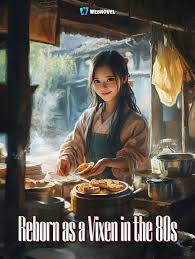
A hard-working modern woman named Susu wakes up inside a 1980s-era novel as Su Er Ya, the universally despised female lead whose reputation is built on laziness, gluttony, and causing family discord.
She radically reinvents herself by mastering culinary arts, launching a successful food business that transforms her from a household nuisance into a respected and beloved figure.
As her husband Lu Xiaoting—a stern public security officer—witnesses her genuine change, their relationship evolves from cold obligation to mutual affection, while their children and extended family slowly embrace the new Su Er Ya.
Why It Stands Out
1. From Villainess to Visionary Entrepreneur
Unlike typical transmigration tales where redemption hinges on romance alone, this story roots Susu’s transformation in tangible skill-building and economic independence. Her journey from selling braised goods on the street to opening a full-fledged restaurant reflects a quiet feminist triumph embedded in the fabric of 1980s China’s shifting social landscape. The novel treats entrepreneurship not as a backdrop but as the engine of personal and familial renewal.
2. Domestic Warmth Wrapped in Historical Texture
The narrative doesn’t just use the 1980s as aesthetic wallpaper—it breathes life into the era through communal courtyards, ration coupons, state-run eateries, and the slow rise of private enterprise. Every meal Susu prepares carries cultural weight, and family dynamics unfold against the real tensions of post-Mao societal change. This grounded setting makes her emotional victories feel earned, not just magical.
3. Humor That Humanizes
The children’s antics—especially their collective grumbling about “Daddy taking Mommy away again”—inject consistent levity without undermining the story’s emotional core. These moments aren’t just cute; they signal the restoration of trust and affection within a once-fractured household. The humor arises organically from character, not forced gags, making the domestic sphere feel alive and relatable.
Characters That Leave a Mark
There’s Jiang Nan – Susu’s sharp-witted sister-in-law who initially views her with suspicion but gradually becomes an ally in managing household affairs and even joins her in small business ventures, embodying the cautious optimism of women navigating new economic freedoms in the reform era.
You’ll meet Xiaoyu, who despite being just a child shoulders unexpected emotional maturity as he comforts his younger siblings during moments of parental absence, revealing how deeply the family’s earlier dysfunction affected even the youngest members.
And Pingping? They’re the one who, along with sibling Anan, circles Susu with anxious concern during tense moments, their scrunched-up little faces symbolizing the fragile but growing bond between a once-neglected mother and her children.
The Flaws Fans Debate
Some readers note the ending feels rushed, with major emotional and professional resolutions compressed into the final chapters without sufficient buildup.
Others point to inconsistent naming—occasional shifts in character names or genders between chapters—that momentarily break immersion, suggesting possible editing oversights.
A recurring critique mentions missing or disjointed content in mid-section chapters, where transitions feel abrupt or key scenes seem truncated, possibly due to serialization pacing.
Must-Experience Arcs
Ch. 1–20: The Unwelcome Arrival – Susu awakens as the hated Su Er Ya, immediately facing hostility from her in-laws and a cold husband; she begins experimenting with braised dishes as both survival tactic and subtle rebellion, laying the groundwork for her culinary identity.
Ch. 55–85: The Wind of Change – After establishing a modest street stall, Susu navigates bureaucratic hurdles, neighborhood gossip, and family skepticism to expand her operation; Lu Xiaoting starts noticing her diligence, and their first genuine conversations occur over shared meals.
Ch. 170–204: The Restaurant and the Recognition – Her small eatery becomes a local success, earning official commendation; the family fully rallies around her, and the children’s playful jealousy over her time with Lu Xiaoting signals the complete healing of domestic fractures.
Killer Quotes
“Susu patted her man’s arm. ‘You’ve worked hard, my dear police officer Lu. When we get home, let your son and daughter give you a massage.’”
“‘Erya, let mom take that, you must be tired from sitting all the way.’ Susu wanted to ask her mother-in-law why she came…”
“Rubbing her hands together, Susu chuckled three times, ‘I’ll handle the big money.’ Lu Xiaoting was amused by his wife’s small antics, his thin lips curving.”
Cultural Impact
Fans frequently share memes of the “three little turnip heads” whining about their father stealing their mother, turning a domestic moment into a viral symbol of wholesome family envy.
The novel is often recommended in Webnovel communities as a “comfort read” for its blend of light romance, food culture, and nostalgic 1980s Chinese setting.
Readers praise its subversion of the “evil female lead” trope by making redemption practical—through labor, care, and consistency—rather than relying solely on romantic forgiveness.
Final Verdict
Start Here If You Want:
A heartwarming escape rooted in food, family, and second chances.
A female lead who rebuilds her life through skill, not scheming.
Nostalgic 1980s China rendered with affectionate detail and gentle humor.
Study If You Love:
Narratives where economic agency drives personal transformation.
Domestic realism within transmigration frameworks.
The quiet revolution of women claiming space in post-Mao society through entrepreneurship.
Avoid If You Prefer:
Fast-paced action or high-stakes political drama.
Flawless editing and perfectly consistent continuity.
Stories where the protagonist remains morally ambiguous or refuses redemption.