The Story in 3 Sentences
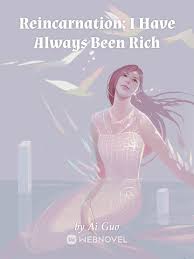
She believed she was the radiant heroine of a modern fairytale, engaged to the dazzling Cole Fay and showered in privilege, until her eighteenth birthday revealed she was merely disposable cannon fodder in someone else’s narrative.
Granted a second chance through rebirth, she resolves to abandon the script written for her and forge a life defined by her own choices, not the expectations of others.
This time, she vows never to love him again—but as past entanglements resurface and new alliances form, rewriting destiny proves more complex than simply walking away.
Why It Stands Out
1. A Regressor Who Refuses to Perform
Unlike many reincarnation tales where the protagonist seeks redemption or revenge within the same emotional framework, this novel centers a heroine who rejects the very premise of romantic centrality. Her clarity isn’t born of bitterness alone but of hard-won self-awareness, making her journey less about winning love and more about reclaiming autonomy.
2. Grounded Drama in a Glamorous Shell
While the story drips with luxury—designer brands, elite schools, and high-society galas—it avoids melodramatic excess. The protagonist remains level-headed amid chaos, a rarity in the genre where emotional volatility often drives plot. This restraint makes her internal shifts feel earned, not theatrical.
3. A Sequel That Stands Firmly Alone
Though positioned as the next generation story following “Leanna,” it never assumes prior knowledge. New readers grasp family legacies and emotional stakes through organic dialogue and context, while fans of the predecessor spot subtle echoes—like Cole Fay being the son of Leanna Lee and Cain Fay—without needing exposition dumps.
Characters That Leave a Mark
There’s Cole Fay – the golden heir with snow-white hair and icy blue eyes, whose charm masks a controlling nature and whose presence once defined the protagonist’s entire world.
You’ll meet Daniel, who offers quiet loyalty and unspoken affection, often stepping back not out of weakness but respect, embodying a love that doesn’t demand ownership.
And Eve? She’s the one who tiptoed toward vulnerability, only to realize that wanting someone isn’t the same as needing them—a distinction that becomes her quiet rebellion.
The Flaws Fans Debate
Some readers note the early chapters lean heavily on brand-name references, evoking early-2000s contemporary fiction in a way that can feel dated rather than aspirational.
A few critics argue that while the protagonist is refreshingly composed, secondary characters occasionally slip into archetypes—jealous rivals, scheming socialites—without deeper exploration.
Others mention that the pacing, though generally strong, occasionally stalls in mid-sections where internal reflection outweighs forward momentum, testing the patience of plot-driven readers.
Must-Experience Arcs
Ch. 1–40: Shattered Fairytale – The protagonist’s world unravels on her birthday as she learns her role was never real; her engagement to Cole Fay begins to show its transactional cracks.
Ch. 150–190: Changing Numerous Fate – She actively dismantles old alliances, confronts manipulative peers, and forges unexpected bonds, including tender moments with Daniel that challenge her vow of emotional detachment.
Ch. 350–402: The Finale – Family secrets from “Leanna” resurface, forcing a reckoning between legacy and self-determination; the protagonist chooses a future not defined by love or revenge, but by peace.
Killer Quotes
“I wasn’t the protagonist, nor even the villain or a side character. I was just cannon fodder, a disposable part of someone else’s story.”
“This time, I’ll write my own story, living for myself.”
“And this time… I will never love you again.”
Cultural Impact
Readers report binge-reading the novel despite real-life commitments, with one fan joking they rescheduled a medical appointment because they’d be “bug-eyed from crying” by morning.
Memes based on school scenes went viral within fan circles before being taken down by moderators, though screenshots lingered across social platforms.
The book sparked renewed interest in its predecessor “Leanna,” with many readers jumping between both stories to trace generational echoes of trauma and resilience.
Final Verdict
Start Here If You Want:
A female lead who chooses herself over romance without becoming cold or cynical.
A reincarnation story rooted in emotional realism rather than fantasy spectacle.
A narrative that critiques the “chosen one” trope by centering someone who was never chosen at all.
Study If You Love:
Josei-focused urban dramas that dissect class, gender, and performative femininity.
Sequel structures that honor legacy while asserting independence from it.
Protagonists whose growth is measured in boundaries set, not battles won.
Avoid If You Prefer:
Over-the-top revenge plots with constant scheming and public takedowns.
Stories where romantic resolution is the ultimate measure of success.
High fantasy or supernatural elements—this is grounded in the complexities of modern elite society, not magic or cultivation.