The Story in 3 Sentences
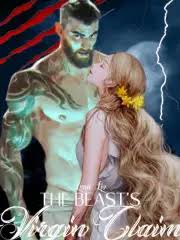
After years of excruciating loneliness, the fearsome alpha werewolf Phobos emerges from isolation with a singular, possessive desire: to claim Theia, an innocent she-wolf untouched by the world’s cruelties.
Their bond ignites amid tension, trauma, and taboo—marked by a childhood connection twisted by time, power imbalances, and the raw instincts of lycan mating rituals.
What begins as a dark, coercive pursuit gradually shifts toward mutual vulnerability, healing, and a hard-won love that defies the brutal hierarchy of their supernatural society.
Why It Stands Out
1. A Slow Burn That Scorches
Unlike fast-paced smut that prioritizes heat over heart, this novel commits to a deliberate, emotionally layered progression. The intimacy builds through glances, restrained touches, and psychological tension long before physical consummation, making every eventual encounter feel earned and charged with narrative weight.
2. Taboo With Nuance, Not Exploitation
While the premise flirts with morally gray territory—childhood friends turned dominant alpha and virgin mate—the story avoids glorifying coercion. Instead, it interrogates power, consent, and trauma recovery within a fantasy framework, allowing Theia agency even in moments of submission.
3. Werewolf Romance Reimagined
Moving beyond clichéd pack politics and fated-mate tropes, Luna Liz crafts a lycan world where the beast within isn’t just a metaphor for lust but for grief, isolation, and the struggle to reconcile humanity with primal instinct—especially in Phobos, whose ferocity masks profound emotional damage.
Characters That Leave a Mark
There’s Kael – Phobos’s fiercely loyal beta and childhood confidant, whose dry wit and unwavering support anchor the volatile alpha while quietly mourning his own unrequited feelings for Theia.
You’ll meet Seraphine, who serves as Theia’s sharp-tongued but protective cousin, challenging pack norms and shielding her from predatory alphas long before Phobos reenters the picture.
And Riven? They’re the one who acts as the rogue enforcer from a rival clan, whose ambiguous motives and cryptic warnings force both Phobos and Theia to question whether their bond is truly theirs—or a pawn in a larger territorial war.
The Flaws Fans Debate
Some readers argue the pacing drags in the middle chapters, where internal monologues and repetitive emotional cycles slow momentum without advancing plot or character growth.
Critics point to the blurred lines around consent, noting that while the narrative attempts to frame Phobos’s actions as protective, his initial behavior aligns more with possessive control than romantic devotion.
A vocal segment of the fanbase expresses discomfort with the “virgin claim” trope itself, seeing it as reinforcing regressive gender dynamics despite the novel’s attempts at subversion.
Must-Experience Arcs
Ch. 1–25: The Storm’s Return – Phobos reappears in Theia’s life after years of absence, triggering memories of their fractured childhood and igniting a dangerous attraction that neither can ignore.
Ch. 78–112: Chains of Gold – Captured by rival factions, Theia and Phobos are separated and tested; their bond is strained by deception, sacrifice, and revelations about the true origin of their connection.
Ch. 189–213: Crown of Thorns and Moonlight – In the final confrontation, Phobos must choose between pack supremacy and Theia’s freedom, while she steps into her own power as more than just a mate—but a leader in her own right.
Killer Quotes
“I only want you, Theia. Always have, always will—and this shall never change.”
“His beast didn’t roar for dominance. It wept for her.”
“You think claiming me makes you my master? No. It makes you the one who finally has something to lose.”
Cultural Impact
With over 3.7 million views and consistent placement in Webnovel’s top romance rankings, the novel became a staple in werewolf romance recommendation lists across Reddit and Wattpad communities.
Fan art of Phobos’s golden-ringed eyes and Theia’s defiant stance flooded Instagram and Twitter during the novel’s weekly update peaks, often tagged with #BeastsVirginClaim.
Readers coined the phrase “Phobos energy” to describe possessive-but-protective love interests in other novels, sparking both praise and critique in broader fantasy romance discourse.
Final Verdict
Start Here If You Want:
A dark romance that balances explicit sensuality with genuine emotional evolution.
A werewolf narrative that treats the “beast” as a psychological symbol, not just a plot device.
A slow-burn dynamic where vulnerability becomes the ultimate act of strength.
Study If You Love:
Explorations of trauma recovery through speculative fiction frameworks.
Gender dynamics in paranormal romance and how modern webnovels reinterpret traditional power roles.
The interplay between biological determinism (fated mates) and personal agency in romantic storytelling.
Avoid If You Prefer:
Stories that avoid morally ambiguous protagonists or non-consensual undertones, even when later resolved.
Fast-paced plots with minimal introspection or emotional exposition.
Romance narratives that separate sex from emotional consequence or character development.