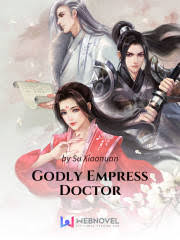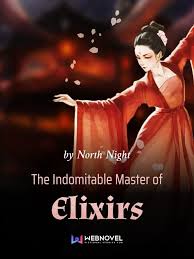
The Story in 3 Sentences
She begins as the supreme immortal cultivator of the 24th century, only to be flung into a hostile fantasy realm where her own family and a deceitful fiancé treat her as worthless.
Her mastery of elixirs, talismans, and divine arts quickly turns the tables, allowing her to dismantle every scheme against her with ruthless precision and supernatural flair.
As she ascends through political intrigue, demonic threats, and ancient conspiracies, her path converges with enigmatic allies and a mysterious Grand Tutor whose loyalty becomes both weapon and vulnerability.
Why It Stands Out
1. Alchemy as Absolute Power
Unlike typical cultivation tales where strength hinges on brute force or martial inheritance, this novel centers elixir refinement as the ultimate source of transformation—capable of rewriting talent, reversing fate, and even animating inanimate objects into armies. The protagonist’s cauldron isn’t just a tool; it’s a declaration of sovereignty over life and death itself.
2. A Female Lead Who Refuses to Play Victim
Ji Fengyan never waits for rescue. She lets enemies exhaust their arrogance before dismantling them with a smirk and a single spell. Her cold pragmatism and strategic patience—allowing foes to dig their own graves—defy the reactive tropes common in revenge-driven xianxia, making her dominance feel earned, not handed.
3. Romance Woven Through Power Dynamics, Not Dependency
The tension with Liu Huo, the Grand Tutor, avoids clichéd damsel-and-savior patterns. Their dynamic thrives on mutual mystery, hidden identities, and ideological clashes—his loyalty tested by his own royal lineage and tragic past, hers by her refusal to be tethered by affection. Love here is a battlefield of wills, not weakness.
Characters That Leave a Mark
There’s Liu Huo – the enigmatic Grand Tutor of the Sacred Dragon Kingdom, whose elegant demeanor masks a tragic origin as a Heavenly Fiend prince orphaned by the Divine Temple; his quiet devotion to Ji Fengyan is laced with unspoken duty and simmering rebellion.
You’ll meet Su Lingsheng, who arrives in Ji City as a high-born noblewoman betrothed to the city lord, radiating grace and social authority, yet becomes a recurring foil whose schemes and jealousy only highlight Ji Fengyan’s untouchable composure.
And Duanmu Hongru? They’re the one who commands the fearsome Yan Luo Dian—a den of villains turned disciplined force—whose blunt honesty and battlefield loyalty earn Ji Fengyan’s rare respect, bridging the gap between outlaw and ally in a world that thrives on division.
The Flaws Fans Debate
Critics note the repetitive rhythm: antagonists consistently insult, scheme, and humiliate Ji Fengyan for chapters on end before she effortlessly annihilates them, creating a formulaic loop that can dull tension over 1200+ chapters.
Some readers argue the protagonist’s overwhelming power removes genuine stakes—her victories feel inevitable, not hard-won—making conflicts more performative than perilous.
Pacing complaints surface frequently, with fans pointing out that four short chapters here equal one standard installment elsewhere, stretching narrative momentum thin despite the high chapter count.
Must-Experience Arcs
Ch. 1–50: Ji City Reckoning – Ji Fengyan awakens in a despised body, endures familial betrayal and public scorn, then unveils her elixir genius at the stone-betting store, shattering reputations and claiming her first foothold in a world that underestimated her.
Ch. 950–1000: Yan Luo Dian Alliance – Venturing into the notorious den of outlaws, she negotiates with Duanmu Hongru and Chi Tong, turning former enemies into strategic partners against the looming threat of the Divine Temple, all while unraveling secrets about Liu Huo’s true heritage.
Ch. 1260–1284: Divine Temple Finale – The final confrontation erupts as Ji Fengyan and Liu Huo face the institution that murdered his parents; using elixirs, talismans, and resurrected soldier-gods, she dismantles a millennia-old theocracy, securing peace not through conquest but systemic collapse.
Killer Quotes
“The evils we bring upon ourselves are the hardest to bear. Submit to me and prosper, oppose me and perish!”
“Amazing sorcery? Here’s a Five-Blow-Thunderstruck talisman that will smite you to dust!”
“A fierce and mighty army? I can conjure up soldiers from just a handful of peas!”
Cultural Impact
Over 10 million readers have engaged with the novel across platforms, with Webnovel hosting more than 900 verified reviews praising its unapologetic female lead.
The manga adaptation, titled Peerless Refiner, has garnered a devoted fanbase for its stylized art and faithful portrayal of Ji Fengyan’s icy charisma and Liu Huo’s haunting elegance.
Memes circulate widely comparing Ji Fengyan to a “walking apocalypse in silk robes,” with fan art depicting her casually sipping tea while lightning obliterates her enemies—a visual shorthand for her effortless dominance.
Final Verdict
Start Here If You Want:
A female protagonist who dominates without apology, wielding intellect and elixirs like weapons of mass humiliation.
A revenge fantasy where every slight is repaid tenfold, not with tears but with thunderstruck talismans and resurrected legions.
A romance that simmers beneath layers of secrets, where love is proven through loyalty in war, not whispered confessions in gardens.
Study If You Love:
Narratives that subvert the “chosen one” trope by making skill—not destiny—the engine of ascension.
The interplay between alchemy and power structures, where a single pill can destabilize empires and redefine social hierarchies.
Xianxia worlds that blend sorcery, martial politics, and cultivation into a cohesive system where knowledge is as lethal as a sword.
Avoid If You Prefer:
Stories with vulnerable, learning-phase protagonists; Ji Fengyan is overpowered from the outset and rarely falters.
Complex moral ambiguity—villains here are often cartoonishly cruel, making her retribution feel satisfying but rarely ethically nuanced.
Slow-burn character development; the focus is on spectacle, strategy, and swift justice, not internal psychological evolution.