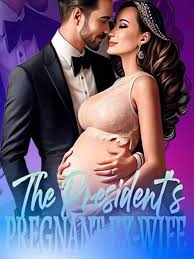
The Story in 3 Sentences
Sabrina Jewel discovers she is pregnant on the very day her powerful husband, Robin Jewel, the president of the Jewels Group of Companies, callously demands a divorce and introduces another woman into their home .
What begins as a tale of betrayal and abandonment shifts dramatically when Robin slowly uncovers the truth about Sabrina’s pregnancy and his own misguided actions, igniting a desperate campaign to win back the woman he wronged .
The story charts a course from heartbreak through public scandal and familial conflict toward a hard-won reconciliation, driven by the presence of their unborn child and Robin’s dawning realization of Sabrina’s true worth .
Why It Stands Out
1. A Pregnancy That Rewrites Power Dynamics
While many romance novels use pregnancy as a mere plot device, here it becomes the fulcrum that flips the entire power structure. Sabrina’s quiet strength in the face of Robin’s cruelty, coupled with the unborn child’s symbolic weight, forces the arrogant CEO to confront his own emotional blindness. The narrative doesn’t just rely on melodrama; it uses the pregnancy to expose the fragility of male ego and the resilience of a woman who refuses to be defined by her husband’s rejection.
2. The CEO Trope, Turned Inside Out
The novel takes the familiar possessive billionaire archetype and subjects it to genuine humiliation and growth. Robin isn’t just a brooding love interest; he’s a man who makes a catastrophic error in judgment and must claw his way back through layers of his own pride. His journey from cold, dismissive husband to a man begging for a second chance feels earned because the story doesn’t shy away from the depth of his initial cruelty, making his eventual remorse far more impactful.
3. A Soap Opera Engine with Emotional Gears
The plot is a masterclass in serialized tension, packing corporate intrigue, family secrets, and romantic reversals into a fast-paced narrative. From the opening divorce demand to the final reconciliation, the story maintains a relentless momentum that keeps readers hooked. It leverages classic soap opera elements—secret pregnancies, rival lovers, meddling family members—but grounds them in a central emotional core that prevents it from feeling hollow or purely sensational.
Characters That Leave a Mark
There’s Zayla Ricalde – the other woman whose own pregnancy is used as a weapon against Sabrina, yet who eventually becomes a complex figure of both rivalry and reluctant understanding as the truth of her situation unfolds .
You’ll meet Grandma Cecilia, who serves as a moral compass and a source of unwavering support for Sabrina, often intervening with sharp wisdom and a fierce protectiveness that challenges Robin’s authority and forces him to see his mistakes .
And Vivian San Jose? They’re the one who operates in the shadows, a figure whose connection to the family’s past and present creates ripples of tension and mystery that complicate the central romance and add a layer of historical depth to the Jewel family’s drama .
The Flaws Fans Debate
Some readers find the initial chapters overly reliant on the “miscommunication” trope, where the central conflict stems from Robin’s immediate and harsh rejection without any attempt to verify the truth, which can feel contrived.
The character of Robin is so intensely cruel in the beginning that his redemption arc, while present, can feel rushed or unconvincing to readers who struggle to reconcile his early actions with his later devotion.
A common criticism is the repetitive nature of the middle chapters, where cycles of conflict, brief reconciliation, and new misunderstandings can create a sense of narrative stagnation before the final push toward resolution.
Must-Experience Arcs
Ch. 1–10: The Divorce Ultimatum – The story opens with a brutal emotional gut-punch as Sabrina, reeling from her positive pregnancy test, is blindsided by Robin’s demand for divorce and his introduction of Zayla into their home, setting the entire conflict in motion.
Ch. 150–180: The Truth Unravels – Robin begins to piece together the lies he was fed, leading to a series of confrontations where his world view shatters. This arc is marked by his growing desperation and the first genuine glimpses of his remorse as he realizes the magnitude of his mistake.
Ch. 420–450: The Vow of Atonement – In the final stretch, Robin’s pursuit of Sabrina shifts from possessiveness to a profound plea for forgiveness. This arc is defined by his public declarations of love, his efforts to protect her and their child from all threats, and his ultimate vow to spend his life making amends for his past cruelty.
Killer Quotes
“After all the sperm, you could not for once be pregnant. Not even a miscarriage.”
“She’s my wife. Stop calling her my ex-wife.”
“You are a heartless monster.”
Cultural Impact
The novel became a staple of the “pregnant ex-wife” subgenre on Webnovel, inspiring countless fan discussions and memes about the ultimate CEO redemption arc.
Readers frequently comment on the emotional rollercoaster, with many noting they were moved to tears by Sabrina’s quiet dignity and Robin’s eventual breakdown and plea for forgiveness .
Its popularity helped solidify the “possessive CEO who realizes his mistake too late” trope as a major draw for fans of urban romance, influencing the structure and themes of many subsequent releases on the platform.
Final Verdict
Start Here If You Want:
A high-stakes emotional drama where a woman’s quiet strength dismantles a powerful man’s arrogance.
A classic redemption arc that delivers on both the pain of betrayal and the catharsis of a hard-earned second chance.
A fast-paced, serialized romance that masterfully uses pregnancy not just as a plot point, but as the catalyst for a complete power reversal.
Study If You Love:
The deconstruction of the alpha male archetype in contemporary romance literature.
The narrative mechanics of serialized web fiction and how it builds and sustains reader engagement through repeated cycles of conflict and resolution.
The cultural fascination with stories of female resilience in the face of patriarchal power structures, particularly within the urban romance genre.
Avoid If You Prefer:
Stories that avoid the “miscommunication” trope as a primary driver of conflict.
Male leads whose initial actions are so heinous that their redemption feels implausible or unearned.
Plots that rely heavily on repetitive cycles of breakups and makeups without significant character evolution in between.