The Story in 3 Sentences
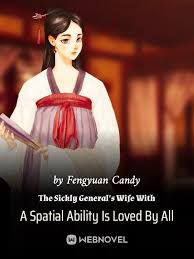
A modern woman transmigrates into the body of Su Binglan, a reviled village girl infamous for buying a sickly slave husband and mistreating him, only to discover she possesses a miraculous spatial ability that lets her grow food and heal.
She quickly overturns her reputation by using her space to uplift her family and village, transforming from a local pariah into a beloved figure whose kindness and resourcefulness earn her widespread admiration and protection.
As her influence grows, she navigates complex family dynamics, societal expectations, and hidden identities, all while her once-despised husband reveals his noble lineage and unwavering devotion to her.
Why It Stands Out
1. From Pariah to Patron Saint of Plenty
The novel flips the typical transmigration trope by starting its heroine at rock bottom—feared and mocked—then meticulously charts her rise through practical, everyday acts of generosity rather than flashy battles or political scheming. Her spatial ability isn’t just for storage; it’s a tool for community building, turning barren fields into bountiful harvests and simple meals into feasts that heal both body and spirit.
2. Quiet Romance, Loud Loyalty
While many xianxia romances rely on dramatic declarations or possessive angst, this story builds intimacy through shared labor, mutual respect, and quiet moments—like handing out milk tea to friends or teaching neighbors how to cook tofu. The sickly general’s love isn’t shouted; it’s shown in how he stands by her even when the world believes she’s cruel, and how he never demands she change to suit his pride.
3. Village Life as Epic Theater
Instead of imperial courts or sect wars, the drama unfolds in kitchens, fields, and market stalls. A dispute over chestnuts or a new dumpling recipe carries emotional weight because these small victories represent survival, dignity, and hope. The novel treats domesticity not as filler but as the very stage where character, resilience, and love are proven.
Characters That Leave a Mark
There’s Su Wenzhe – her devoted younger brother who never doubts her goodness, even when rumors paint her as monstrous, and whose quiet support becomes a pillar of her new life as he eagerly learns from her innovations to help their family thrive.
You’ll meet Ye Feiran, who disguises herself as a man to navigate a patriarchal world but finds unexpected acceptance and sisterhood with Su Binglan, eventually gaining the courage to reveal her true identity and rebuild her fractured family with newfound confidence.
And Luo Jin’an? They’re the one who, despite appearing as a purchased slave with a frail body, carries the bloodline of fallen generals and shields Su Binglan with unwavering loyalty, his strength revealed not in combat but in his steadfast refusal to let her face the world alone.
The Flaws Fans Debate
Some readers find the pacing uneven, with long stretches focused on cooking or farming that slow the narrative momentum, especially in the middle chapters.
Critics note that the protagonist’s problems are often resolved too easily through her spatial ability, reducing tension and making conflicts feel superficial rather than deeply challenging.
A recurring complaint is that the “awful woman” reputation feels unearned and drops too quickly, making the initial setup seem like a shallow trope rather than a meaningful character obstacle.
Must-Experience Arcs
Ch. 1–50: The Village Outcast’s Rebirth – Su Binglan wakes in a despised body, discovers her spatial ability, and begins quietly changing her life by healing her brother-in-law’s hand and introducing tofu to the village, laying the foundation for her redemption.
Ch. 300–350: The Ice and Snow Revelation – During a harsh winter, Su Binglan uses her space to provide warmth and food, while Ye Feiran confronts her dual identity, leading to emotional breakthroughs and the strengthening of bonds between the women who rely on each other.
Ch. 950–970: The Coconut Harvest Finale – In the closing chapters, Su Binglan teaches her community how to enjoy coconuts from her space, symbolizing the full circle of abundance and joy she’s brought; the bonus ending confirms lasting peace, prosperity, and love for all her chosen family.
Killer Quotes
“Food tastes better when shared with those who believe in you.”
“Being called awful doesn’t make you so—only your actions do.”
“The strongest walls aren’t built of stone, but of the trust you give and receive.”
Cultural Impact
Fans have created countless “Su Binglan’s Kitchen” meme pages, sharing real-life recipes inspired by her spatial dishes like garlic vermicelli prawns and coconut desserts.
The phrase “buy a slave husband and spoil him rotten” became a viral joke in romance novel communities, often used to describe unexpectedly wholesome power dynamics.
Readers frequently cite the novel as a “comfort read” during stressful times, praising its emphasis on kindness, family, and small daily miracles over violence or betrayal.
Final Verdict
Start Here If You Want:
A heartwarming escape where kindness is the ultimate superpower and every meal feels like a hug.
A romance built on mutual care rather than drama, where love grows through shared dumplings and quiet glances.
A celebration of ordinary life made extraordinary by generosity, perfect for readers tired of grimdark or overly competitive plots.
Study If You Love:
Narratives that reframe domestic labor as heroic and transformative, challenging traditional genre hierarchies.
The evolution of female agency in transmigration fiction, where power comes from nurturing rather than dominating.
Subtle world-building that uses food, agriculture, and community economics to reflect deeper social commentary.
Avoid If You Prefer:
Fast-paced action or high-stakes political intrigue as the core driver of the plot.
Protagonists who face prolonged, unresolved adversity or moral ambiguity.
Stories where romantic tension relies on miscommunication or jealousy rather than steady, earned trust.