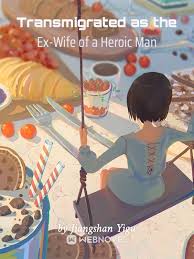
The Story in 3 Sentences
Su Wen, an avid reader of a period romance novel, spends a fortune to transmigrate into the story as the ex-wife of its heroic male lead, Jin Datui, a role originally doomed by poor choices and romantic naivety.
Rejecting the passive fate of her predecessor, she seizes control of her life, builds wealth from nothing, and transforms her family’s fortunes through relentless effort and shrewd decision-making.
Her success inspires her younger sisters to seek their own happily-ever-afters, prompting Su Wen to vet suitors for them—only to find Jin Datui increasingly possessive and devoted, declaring his life and fortune hers alone.
Why It Stands Out
1. From Ex-Wife to Empire Builder
While most transmigration romances fixate on winning back the male lead, this story flips the script: Su Wen’s priority isn’t romance but survival, dignity, and economic independence. Her journey from discarded ex-spouse to respected matriarch redefines agency in a genre often saturated with passive female leads waiting for rescue.
2. Sisterhood as Narrative Backbone
Rather than sidelining family members as props, the novel gives each of Su Wen’s sisters emotional weight and individual arcs. Their growth—from timid girls shaped by poverty to confident young women choosing their own paths—forms a quiet but powerful counterpoint to the central romance, making the household itself a character.
3. Subversion of the “Golden Thigh” Trope
Though Su Wen clings to Jin Datui early on, she never becomes dependent on him. Instead, she builds parallel success, forcing the male lead to earn her affection through loyalty, not just status. This dynamic challenges the typical power imbalance in xianxia-inspired romances, offering a partnership grounded in mutual respect.
Characters That Leave a Mark
There’s Su Xuewen – the sharp-witted older sister whose foresight and quiet strength shield the family from ruin, often acting as Su Wen’s first ally in reshaping their shared destiny .
You’ll meet Zhao Jiangang, who emerges as a deceptive antagonist posing as a suitor but ultimately reveals himself as a manipulative opportunist who once tricked the original host into betrayal and even sold one of the younger sisters for money .
And Sixth Sister? They’re the one who embodies the novel’s tension between childhood innocence and adult pressures; though unnamed in accessible sources, fan discussions highlight her as a focal point in controversial plotlines involving age-inappropriate marriage prospects, sparking widespread reader discomfort .
The Flaws Fans Debate
Chapters are excessively short, often ending before meaningful development occurs, creating a stop-and-go rhythm that frustrates readers seeking narrative momentum.
The story’s length—over 1,300 chapters—dilutes its impact, with repetitive conflicts and filler arcs (like recurring neighbor disputes) stretching a slice-of-life premise beyond its natural limits.
Several antagonists lack depth, functioning more as caricatures of greed or stupidity than credible threats, which undermines the realism of Su Wen’s struggles.
Must-Experience Arcs
Ch. 1–50: The Transmigration Reset – Su Wen wakes in the body of a failed wife, rejects her original fate, and begins rebuilding her life with ruthless pragmatism, setting the tone for her self-made rise.
Ch. 400–600: The Sisterhood Project – As her influence grows, Su Wen takes on the role of matchmaker and mentor for her younger sisters, navigating societal expectations and dangerous suitors while asserting female autonomy in a patriarchal setting.
Ch. 1300–1378: The Final Reckoning – With family secured and wealth established, Su Wen confronts lingering threats and emotional reckonings, culminating in Jin Datui’s ultimate declaration of devotion and a bittersweet resolution that prioritizes legacy over spectacle.
Killer Quotes
“I belong to you. You can have my savings and even my life.”
“Without Su Xuewen’s foresight, she would probably be a submissive little wife now taking care of her mother-in-law and sister-in-law!”
“You’re finally awake. It’s not worth it to be sad over a s*** like Zhou Hengyang.”
Cultural Impact
Readers widely meme the “twenty bank books by her bedside” scene as the ultimate symbol of quiet, financial devotion in romance fiction.
The novel sparked debates across Webnovel and Reddit communities about ethical storytelling, particularly regarding child characters and adult romantic implications, leading some readers to abandon it mid-way.
Despite criticisms, it maintains a loyal following for its rare focus on sisterly bonds and economic empowerment in a genre dominated by magical systems or harem politics.
Final Verdict
Start Here If You Want:
A transmigration story where the heroine’s power comes from business acumen and emotional intelligence, not supernatural gifts.
A family-centered drama that treats sisterhood with as much gravity as romance.
A slow-burn relationship where the male lead proves his worth through consistent action, not just dramatic declarations.
Study If You Love:
Narratives that critique passive femininity by contrasting the original host’s romantic idealism with the transmigrator’s pragmatic realism.
The use of 1980s–90s Chinese rural setting as a canvas for exploring gender, class, and autonomy without fantasy elements.
How webnovels can evolve beyond tropes by making economic independence the true “golden finger” of the protagonist.
Avoid If You Prefer:
Fast-paced plots with clear episodic structure—this novel thrives on gradual accumulation.
Stories that avoid controversial age dynamics; certain arcs involving younger sisters have drawn justified criticism.
Tightly edited narratives—its 1,378+ chapter count includes significant filler that tests reader patience.