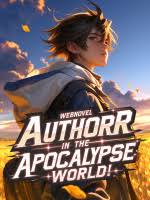
The Story in 3 Sentences
A webnovel author named Kim Haru dies after installing a mysterious farming game and wakes up in a brutal apocalyptic world where survival depends on strength, alliances, and mutated threats.
Instead of weapons or combat skills, he’s given a farming system that initially seems absurd but gradually reveals its power through crops that enhance his body, repel monsters, and even influence the fate of safe zones.
As his farm becomes a beacon of hope and a strategic asset, Kim Haru quietly reshapes the wasteland’s balance of power while uncovering the truth behind his reincarnation and the system’s hidden agenda.
Why It Stands Out
1. The Absurdist Farmer in a World That Demands Warriors
Most apocalypse stories glorify bloodshed and brute force, but this novel flips the script by making agriculture the ultimate weapon. Kim Haru doesn’t swing swords—he cultivates radishes that detoxify zombie bites and grows wheat that boosts stamina. His farm isn’t just a plot of land; it’s a quiet revolution against the chaos, proving that peace can be cultivated even in hell.
2. A System With Personality, Not Just Prompts
Unlike generic game-like interfaces that bark orders, this farming system feels alive—quirky, stubborn, and occasionally sarcastic. It doesn’t just give Kim Haru seeds; it challenges his assumptions, forces creative problem-solving, and hints at a deeper origin tied to the apocalypse itself. The system isn’t a tool—it’s a co-conspirator in rebuilding civilization.
3. Anti-Hero Zen in a Genre Full of Egos
Kim Haru embodies the “salted fish” archetype—unbothered, unimpressed, and utterly uninterested in fame or romance. He builds, feeds, and protects without seeking glory. In a landscape crowded with harem-seeking saviors and rage-fueled avengers, his calm pragmatism is refreshing. He doesn’t want to rule the wasteland; he just wants his tomatoes to ripen in peace.
Characters That Leave a Mark
There’s Moon Baein – the sharp-eyed Commander of Pyeongseong Safe Zone, whose strategic mind and quiet loyalty turn her into Kim Haru’s most trusted ally in navigating human politics amid the chaos.
You’ll meet Song Hayoon, who emerges as a rare talent capable of understanding and amplifying the farm’s potential, bridging the gap between Kim Haru’s isolated cultivation and the wider survivor community.
And Hwa Jian? They’re the one who leads the Delta Squad with disciplined grit, representing the frontline fighters who slowly learn to trust a farmer more than their rifles.
The Flaws Fans Debate
The story ends abruptly at Chapter 424 despite clear signs of ongoing plot threads, leaving major arcs unresolved and world-building incomplete.
World-building remains shallow—other safe zones, factions, and global events are mentioned but never explored in depth, reducing the apocalypse to a vague backdrop.
Supporting characters lack meaningful development; many exist only to react to Kim Haru’s farm rather than pursue their own goals or evolve beyond functional roles.
Must-Experience Arcs
Ch. 1–50: The Lone Farm in the Ruins – Kim Haru awakens in a desolate city, confused by his farming system, and slowly discovers that his first carrot patch can heal radiation burns and deter mutated rats.
Ch. 150–220: The Pyeongseong Alliance – After connecting with Moon Baein’s safe zone, Kim Haru scales his farming operations, introducing crop-based defenses that repel zombie hordes and attract skilled survivors seeking sanctuary.
Ch. 380–424: The Final Harvest – As ancient forces awaken and rival factions target his farm, Kim Haru unlocks the system’s ultimate tier, revealing that his crops are tied to the apocalypse’s origin—but the story cuts off just as the truth surfaces.
Killer Quotes
“If this game truly wants me dead in this difficulty then I’ll fight back with everything I have!”
“You ever get the feeling that your life wasn’t really yours? Yeah…I wish I was just paranoid.”
“The world ended with screams, but maybe it can restart with seeds.”
Cultural Impact
Readers praised it as a rare “chill apocalypse” novel that avoids harem tropes and unnecessary drama, calling it a “zen survival fantasy.”
The phrase “salted fish MC” became a meme in webnovel communities to describe protagonists who reject power fantasies in favor of quiet competence.
Despite its incomplete ending, it inspired fan discussions about alternative farming-based power systems in post-apocalyptic settings, influencing several indie webnovel concepts.
Final Verdict
Start Here If You Want:
A refreshing take on apocalypse fiction where farming is power and peace is the ultimate rebellion.
A protagonist who wins through patience, planning, and potatoes—not punches or passion.
A slow-burn story that values sustainability over spectacle, ideal for readers tired of endless combat arcs.
Study If You Love:
Narrative subversion—how a “weak” system genre can be reimagined as strategically dominant.
The intersection of cultivation tropes and Western-style apocalypse survival mechanics.
Exploring how resource-based world-building can replace traditional magic or tech systems in speculative fiction.
Avoid If You Prefer:
Fast-paced action or clear, resolved endings—this novel halts mid-climax.
Deep character drama or complex interpersonal relationships; emotional arcs are minimal.
Expansive world lore—most of the apocalypse remains unexplained, with focus kept tightly on the farm and its immediate sphere.