The Story in 3 Sentences
In a brutal world where vampires dominate high society and werewolves enforce terror, Ophelia lives as a sheltered human widow, unaware she has been secretly protected for a decade by a powerful decree that marked her as untouchable.
Her fragile existence shatters when she is thrust into a forced marriage with the ruthless and feared Alpha Killorn Mavez, igniting a dangerous dynamic built on cruelty, obsession, and unspoken trauma.
As their bond deepens through cycles of pain and reluctant tenderness, Ophelia must navigate a treacherous supernatural hierarchy, confront buried truths about her past, and decide whether love can bloom in a relationship forged by addiction and control.
Why It Stands Out
1. A Villain Romance That Owns Its Darkness
Unlike many romance novels that soften their antagonists for audience appeal, Alpha’s Cruel Addiction leans fully into its R18, villain-centric premise. Killorn is not a misunderstood hero in disguise—he is volatile, possessive, and unapologetically dominant, yet the narrative crafts a twisted intimacy that makes his obsession feel both terrifying and tragically human. The story refuses to sanitize its mature themes, offering a raw exploration of power, consent, and emotional dependency within a fantasy setting.
2. Worldbuilding Through Social Hierarchy, Not Lore Dumps
The novel establishes its supernatural society not through exposition but through lived experience. Vampires rule with aristocratic cruelty, werewolves serve as both warriors and outcasts, and humans like Ophelia exist in the precarious margins. This layered structure creates constant tension, where every interaction carries political and personal stakes. The absence of lengthy mythological explanations keeps the focus on character-driven drama while still conveying a rich, immersive world.
3. Emotional Complexity Beneath the Tropes
Beneath its familiar “forced marriage” and “ruthless alpha” tropes lies a surprisingly nuanced emotional core. Ophelia’s trauma, stutter, and vulnerability are portrayed with empathy, not as weaknesses to be fixed but as facets of her resilience. Killorn’s cruelty is interwoven with moments of fractured tenderness, suggesting a man as trapped by his nature as Ophelia is by circumstance. This duality prevents the story from devolving into pure fantasy escapism, grounding its drama in psychological realism.
Characters That Leave a Mark
There’s Killorn Mavez – the feared Alpha whose obsession with Ophelia borders on pathological, yet whose moments of vulnerability reveal a man haunted by duty, legacy, and a love he doesn’t know how to express without violence.
You’ll meet Helena, who appears in pivotal side stories and is tied to deep emotional wishes that ripple through the main narrative, her presence evoking themes of sacrifice and sisterhood that contrast sharply with the central romance’s intensity.
And Beetle? They’re the one who provides rare moments of levity, a whistling figure whose unexpected appearances offer Ophelia brief respites from the suffocating tension of her new life, serving as a subtle reminder that kindness still exists in this cruel world.
The Flaws Fans Debate
Some readers criticize Ophelia as overly passive, arguing her role as a “damsel in distress” undermines the story’s potential for female agency, with her character primarily serving as a catalyst for Killorn’s emotional arc rather than driving the plot herself.
The pacing suffers in the middle chapters, where repetitive cycles of conflict and reconciliation between the leads can feel emotionally exhausting rather than compelling, leading to accusations of melodrama over substance.
Updates became inconsistent for non-premium readers, with long gaps between public chapter releases, causing frustration among fans and disrupting narrative momentum, which some say diluted the story’s overall impact.
Must-Experience Arcs
Ch. 1–50: The Untouchable Widow – Ophelia discovers she was declared off-limits a decade ago, is abruptly married to Killorn, and must survive her first brutal encounters with werewolf politics, vampire cruelty, and her husband’s volatile possessiveness.
Ch. 51–100: The Annulment and the Abyss – After their marriage is annulled, Ophelia faces public disgrace while Killorn’s control begins to fracture; their separation forces both to confront their addiction to each other amid rising threats from the Four Rogue Kings and internal court betrayals.
Ch. 140–156: My Dear Alpha – In the final chapters, an intimate ceremony beneath the stars seals their bond anew, side stories reveal Helena’s tragic wish and Beetle’s quiet loyalty, and the couple chooses each other not out of decree or obsession, but hard-won understanding.
Killer Quotes
“If you ever come near my woman again, I will find you, brutally torture you, and unleash hell’s wrath upon you for the rest of eternity.”
“Your skin is too sensitive, my lady, please sit still, we’re working the best that we can!”
“Or, cry harder, that’s fine with me. I’d rather you do it in my presence.”
Cultural Impact
The line “If you ever come near my woman again…” became a viral quote across BookTok and Webnovel fan communities, often used in edits highlighting toxic-yet-compelling romance dynamics.
Despite its niche genre, the novel amassed over 1.3 million views on Webnovel, sparking debates about the ethics of villain romance and the boundaries of romanticized control in fantasy fiction.
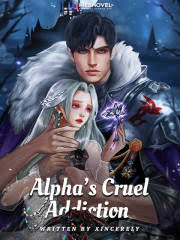
Fan art depicting Killorn’s golden eyes and Ophelia’s amethyst gaze flooded social media, with readers coining the term “cruel tenderness” to describe the novel’s unique emotional tone.
Final Verdict
Start Here If You Want:
A dark, unapologetic villain romance that embraces its R18 intensity without flinching.
A fantasy setting where supernatural politics feel personal and dangerous.
An emotionally charged dynamic between two broken people who hurt each other as much as they heal.
Study If You Love:
Narratives that explore the psychology of obsession and trauma bonding within romantic frameworks.
Worldbuilding that uses social stratification to drive conflict rather than relying on magical systems.
The evolution of antiheroes in webnovel culture, particularly how modern audiences engage with morally ambiguous love interests.
Avoid If You Prefer:
Stories with strong female leads who drive the plot through their own agency and decisions.
Romances built on mutual respect and clear consent from the outset.
Consistent, timely updates and a tightly paced narrative without repetitive emotional cycles.