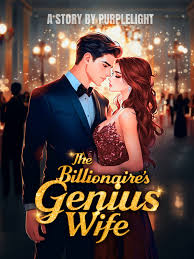
The Story in 3 Sentences
Amelia Bell, orphaned at twenty-two and drowning in debt while caring for her injured nephew, makes a desperate pact with Henry Welsh, the cold and obscenely wealthy heir to a billion-dollar empire, agreeing to a six-month contract that blurs the lines between transaction and tenderness.
Their arrangement shifts from a calculated business deal into a storm of obsession, vulnerability, and unexpected emotional entanglement as Henry’s controlled exterior cracks under the weight of his growing fixation and Amelia’s quiet resilience challenges his worldview.
The story steers toward a hard-won intimacy where power imbalances are confronted, past traumas are unearthed, and love emerges not from perfection but from the messy, raw negotiation of two broken people choosing each other beyond the terms of any contract.
Why It Stands Out
1. The Contract as Crucible
Unlike typical CEO romances that rely on instant attraction or forced proximity alone, this novel uses the contract itself as a narrative engine—each clause, deadline, and renegotiation mirrors the characters’ emotional evolution, turning legal fiction into psychological realism.
2. Grief as Groundwork
Amelia’s motivation isn’t just financial ruin; it’s the crushing responsibility of sudden parenthood after losing her entire family, a layer of emotional depth rarely explored with such sincerity in the genre, grounding the steamy scenes in genuine human stakes.
3. Obsession with Accountability
Henry’s possessiveness walks a razor’s edge—he’s controlling, yes, but the text doesn’t romanticize toxicity; instead, it forces him to reckon with his behavior, making his growth feel earned rather than conveniently erased for a happy ending.
Characters That Leave a Mark
There’s Mary – the fiercely loyal childhood friend who serves as both confidante and moral compass, her roots as the daughter of Amelia’s family staff never diminishing her agency or voice in the story.
You’ll meet Ash, who carries the weight of a failed past connection with Amelia and whose misguided attempts to rekindle it ignite crucial turning points, embodying the ghost of “what could have been” with surprising nuance.
And Sandra? They’re the one who anchors the everyday world of the narrative, managing the café alongside Amelia and offering grounded, witty commentary that cuts through the high-stakes drama with refreshing normalcy.
The Flaws Fans Debate
Some readers point to inconsistent pacing, where emotional climaxes are sometimes rushed while mundane interactions stretch unnecessarily, disrupting narrative momentum.
Critics note occasional lapses in prose quality, including spelling errors and awkward phrasing, which can momentarily pull readers out of an otherwise immersive experience.
A recurring debate centers on the power dynamics—while the novel attempts to address them, some argue the resolution leans too heavily on Henry’s wealth solving systemic problems rather than deeper structural change.
Must-Experience Arcs
Ch. 1–22: The Bargain – Amelia’s desperate pitch to Henry and their initial contract negotiation set the tone, establishing both characters’ wounds and wants with sharp dialogue and palpable tension.
Ch. 75–95: Loyalties Tested – Ash’s return and Henry’s jealousy spiral create a pressure cooker of misunderstandings, forcing Amelia to choose between old bonds and new possibilities while managing her café and nephew.
Ch. 221–246: Reckoning and Repair – After a major betrayal, Henry confronts his own controlling nature, and Amelia demands emotional honesty over financial security, leading to a fragile but authentic reconciliation.
Killer Quotes
“Six months. That’s all I’m selling. Not my soul, not my future—just time.”
“I didn’t sign up to be your wife. I signed up to survive.”
“You keep paying my bills, Henry, but you can’t pay for my trust. That’s earned, not bought.”
Cultural Impact
The novel sparked a niche but passionate Discord community where fans dissect Henry’s “redemption arc” and share fan art of Amelia’s café scenes.
It trended briefly on Webnovel’s urban romance charts in early 2024, praised for subverting the “damsel in distress” trope by giving Amelia clear agency despite her vulnerability.
Memes comparing Henry’s contract clauses to real-life dating red flags went viral on TikTok, blending critique with affection for the genre’s excesses.
Final Verdict
Start Here If You Want:
A steamy CEO romance that doesn’t shy away from grief, responsibility, or the messy work of emotional repair.
A heroine whose strength lies in endurance and care, not just sass or defiance.
A love story where obsession is interrogated, not just indulged, and growth feels hard-won.
Study If You Love:
Narratives that use contractual frameworks to explore consent, autonomy, and the commodification of intimacy in capitalist societies.
The evolution of the “cold CEO” archetype into something more psychologically layered and self-aware.
Urban romance that balances melodrama with moments of quiet, domestic realism—like café management and childcare—amidst the high-stakes passion.
Avoid If You Prefer:
Flawless prose and polished editing; the raw, sometimes uneven writing may distract.
Stories where power imbalances are cleanly resolved without lingering consequences or moral ambiguity.
Plots that avoid mature content—this novel includes explicit scenes and themes of emotional control that may unsettle sensitive readers.