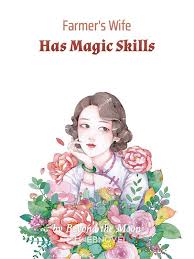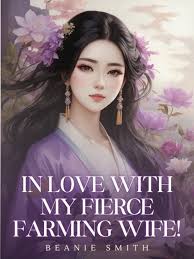
The Story in 3 Sentences
A modern woman wakes up mid-ceremony in an ancient rural wedding she never agreed to, instantly clashing with the groom and the suffocating expectations of her new life in a harsh historical setting.
She refuses to play the obedient wife, instead using her knowledge and fierce spirit to carve out autonomy through farming, business, and sheer stubbornness, turning poverty into prosperity on her own terms.
As her influence grows, so do the stakes—noble rivals, court politics, and buried secrets force her to choose between safety and the bold future she’s built with the man who once was just a stranger in red robes.
Why It Stands Out
1. From Dirt to Dynasty
The novel flips the typical historical romance script by making agriculture and entrepreneurship the engine of its drama. Instead of palace intrigue alone, the heroine’s victories come from planting seeds, brewing medicine, and running markets—her power is economic, practical, and deeply earned.
2. Fierce Without Forgiveness
Su Pan’er isn’t softened for likability; her sharp tongue, quick temper, and refusal to yield—even when it’s inconvenient—make her refreshingly unapologetic. The story doesn’t punish her for her strength but rewards it, letting her reshape her world without begging for permission.
3. Romance as Partnership, Not Rescue
The central relationship evolves slowly from mutual suspicion to genuine alliance. There’s no grand savior—just two stubborn people learning to trust, protect, and build alongside each other, with banter that crackles and loyalty that deepens without melodrama.
Characters That Leave a Mark
There’s Ye Han – the initially aloof groom whose quiet competence and growing devotion anchor the chaos around him; he’s not a warrior prince but a grounded man who chooses patience over pride and stands by Su Pan’er even when her defiance shocks the village.
You’ll meet Princess Anping, who starts as a haughty noblewoman but becomes an unexpected ally; her political savvy and hidden vulnerabilities add layers to the courtly conflicts that threaten the protagonists’ hard-won peace.
And Jun Ruoxue? They’re the one who embodies the old world’s cruelty—entitled, scheming, and convinced that birthright justifies manipulation—serving as a recurring foil whose downfall feels both inevitable and satisfying.
The Flaws Fans Debate
Some readers find Su Pan’er’s aggression exhausting rather than empowering, arguing her constant outbursts border on caricature and strain believability within the historical setting.
The pacing drags in middle chapters, where repetitive farming successes and minor squabbles dilute narrative momentum despite the high chapter count.
Historical accuracy is loosely handled; timelines and social structures feel more like romanticized backdrops than rigorously researched contexts, which frustrates readers seeking authentic period detail.
Must-Experience Arcs
Ch. 1–50: The Night of Flower and Candle – thrust into a forced marriage, Su Pan’er rejects tradition outright, survives her first winter through ingenuity, and plants the literal and metaphorical seeds of her rebellion.
Ch. 500–600: Setting the Trap – as her business empire expands, noble enemies conspire to destroy her; she turns their greed against them in a meticulously plotted economic counterstrike that cements her reputation.
Ch. 1350–1415: Finale: Looking Back at the Fading Memories – decades of struggle culminate in quiet triumph; the couple reflects on a lifetime built from defiance, love, and pear blossoms, closing the saga with poetic serenity.
Killer Quotes
“Hey, hold on, groom, I’m not your bride!”
“As long as I was crazy enough, no one would dare to do anything to me!”
“Watch Su Pan’er’s valiant life in an ancient rural setting. How will she overcome countless hardships to finally find her own spring!”
Cultural Impact
The novel has amassed over 1.3 million views on Webnovel, consistently ranking in the platform’s top historical romance titles.
Fan art of Su Pan’er wielding a hoe like a sword became a meme symbolizing “farming wife energy”—a shorthand for women who build empires from nothing.
Readers often cite it in forums as a gateway into the “farming novel” subgenre, praising its blend of cozy economics and fiery female agency.
Final Verdict
Start Here If You Want:
A heroine who refuses to be tamed and builds her empire from soil up.
A slow-burn romance where respect matters more than grand gestures.
Historical escapism that prioritizes self-reliance over courtly fantasy.
Study If You Love:
Narratives that reframe domestic labor as revolutionary acts.
Character-driven stories where economic strategy drives plot as much as emotion.
Modern feminist sensibilities woven into pre-industrial settings without breaking immersion.
Avoid If You Prefer:
Passive or traditionally “graceful” female leads who rely on male protection.
Tightly paced plots with minimal filler—this is a long, meandering journey.
Strict historical realism over romanticized worldbuilding with flexible timelines.