The Story in 3 Sentences
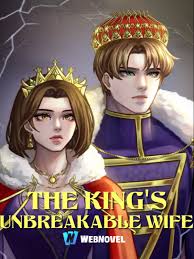
Hazel Wallace, an ordinary woman thrust into a perilous royal selection, becomes entangled with the future king Tobias Castro despite her initial belief that she could only survive by staying invisible.
A profound shift occurs as their relationship evolves from political convenience to genuine trust and love, challenging courtly expectations and confronting external threats to their union.
The story moves toward a resolution where Hazel’s resilience and quiet strength not only secure her place beside the king but redefine what it means to be a queen in a world governed by power and legacy.
Why It Stands Out
1. A Quiet Strength in a World of Noise
Unlike many historical romances that rely on overt drama or scheming heroines, this novel centers on Hazel’s understated resilience. Her power lies not in manipulation but in emotional honesty, patience, and moral clarity—qualities that feel refreshingly rare in a genre often saturated with catfights and palace intrigue. Her refusal to weaponize her pain, even when wronged, makes her journey toward love and dignity deeply moving.
2. The King as a Partner, Not a Savior
Tobias Castro breaks the mold of the aloof, domineering monarch. He listens, apologizes, and shares burdens. Their romance is built on mutual respect, with both characters confronting their vulnerabilities. This 1v1 dynamic—clean, focused, and emotionally mature—offers a satisfying counterpoint to harem tropes or toxic power imbalances common in similar works.
3. A Tapestry of Nobility Beyond the Throne
Set within the “Tales of Castro Nobility” universe, the novel subtly weaves in lore and recurring themes across its sister stories. While self-contained, it hints at a broader world where loyalty, legacy, and identity are constantly tested. This layered worldbuilding gives even minor court interactions a sense of weight and continuity.
Characters That Leave a Mark
There’s Duke Rathon – the cold, status-obsessed patriarch whose neglect shapes his daughter’s early suffering and whose eventual reckoning forces a reevaluation of noble duty versus familial love.
You’ll meet Esme Baredon, who endures life in the shadow of her perfect half-sister Merina, yet refuses to let bitterness define her; her quiet dignity and resilience echo Hazel’s own journey, offering a parallel path of self-worth reclaimed without royal favor.
And Tyrion Castro? They’re the one who steps in as a crucial ally in other Castro tales, using wit and influence to uncover buried truths and protect the innocent—though in this novel, his presence is more atmospheric, reinforcing the interconnected nobility that defines the series’ backbone.
The Flaws Fans Debate
Some readers find the pacing uneven, with long stretches of emotional introspection that slow the narrative momentum, especially in the middle chapters.
Critics note that the “sweet and clean” romance, while refreshing to many, occasionally avoids deeper political or societal complexities that the historical setting could have explored more boldly.
A segment of the audience feels secondary antagonists lack depth, serving more as plot devices than fully realized threats, which slightly undermines the stakes of Hazel’s rise.
Must-Experience Arcs
Ch. 1–25: The Royal Selection – Hazel enters the queen candidate process as an overlooked outsider, navigating court etiquette, jealous rivals, and her first tense encounters with Tobias, who sees something in her others dismiss.
Ch. 100–140: The Trust Fracture – After a betrayal orchestrated by court enemies, Hazel and Tobias face their first major rift; Hazel chooses silence over burdening him, testing the foundation of their bond and forcing Tobias to confront his own assumptions about strength and partnership.
Ch. 290–326: The Unbreakable Crown – With the kingdom stabilized but new threats emerging from old noble houses, Hazel steps fully into her role as queen, not through force but through unwavering principle, culminating in a coronation that symbolizes not just power, but earned respect.
Killer Quotes
“I cannot come to you with my problems when you have the weight of the kingdom on your shoulders. I would rather suffer in silence so I do not bother the king.”
“You know that you have a special place in my life, but with all this love in the air, I place Edgar just a tiny bit over you. If there was someone you cared for, I’d understand.”
“Just pick one and get it over with. They are not shoes, Edgar. They are women, and if I have to spend the rest of my life with one, I’d like to choose carefully.”
Cultural Impact
The novel has amassed over 5 million views on Webnovel, becoming a flagship title in Violet_167’s “Tales of Castro Nobility” series.
Fan art depicting Hazel and Tobias in period attire frequently circulates on social media, often paired with the quote about silent suffering, which has become a touchstone for discussions on emotional labor in relationships.
Readers often cite it as a “comfort romance” for its clean, low-angst dynamic, sparking memes about “finding your Tobias who actually listens” in contrast to typical fictional kings.
Final Verdict
Start Here If You Want:
A historical romance that prioritizes emotional maturity over melodrama.
A heroine whose strength is quiet but unshakable, not loud or vengeful.
A love story where both partners grow, communicate, and choose each other daily, even under royal pressure.
Study If You Love:
Narratives that explore how dignity and self-respect can be forms of power in patriarchal systems.
The evolution of 1v1 romance as a subgenre that rejects harem or possessive tropes in favor of partnership.
Worldbuilding that uses family legacies and noble politics as a backdrop for intimate character studies rather than epic warfare.
Avoid If You Prefer:
Fast-paced plots with constant external conflict or action-driven stakes.
Complex antagonists with morally gray motivations; here, villains tend to be straightforwardly malicious.
Historical settings that delve deeply into real-world politics or cultural critique; this novel leans into romantic idealism over gritty realism.