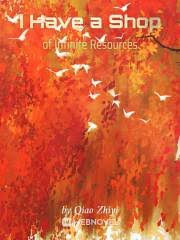
The Story in 3 Sentences
Chu Ning wakes up inside the body of a fake young lady in a novel, moments before the real daughter, Ye Ting, is about to be restored to her wealthy birth family while Chu Ning is cast back into poverty.
Instead of resisting or scheming like the original character, Chu Ning embraces her exile, vowing to avoid the female lead, the male lead, and live quietly in the slums—but her seven biological brothers, each rising as powerful tycoons, refuse to let her go unnoticed.
What begins as a survival plan transforms into an effortless comeback, as Chu Ning’s quiet competence and foresight draw admiration, protection, and even romantic pursuit from those who once dismissed her.
Why It Stands Out
1. A Transmigrator Who Chooses Peace Over Power Plays
Unlike the usual scheming fake daughters who cling to privilege, Chu Ning walks away from luxury without hesitation. Her immediate acceptance of her fate flips the revenge trope on its head—she doesn’t want to win by destroying others, only by living well. This rare restraint makes her feel grounded despite the over-the-top family dynamics.
2. Brothers as Pillars, Not Props
The seven brothers aren’t just decorative billionaires; each has a distinct profession—business, medicine, tech—and their gradual emotional reconnection with Chu Ning forms the novel’s quiet heartbeat. Their loyalty isn’t instant; it’s earned through her consistency, humility, and refusal to exploit their status, which adds depth to the “pampered sister” fantasy.
3. Subtle Worldbuilding Through Daily Life
Rather than relying on grand battles or cultivation ranks, the story builds its charm through cooking, school rivalries, startup ventures, and family dinners. Chu Ning’s knowledge of future trends lets her innovate in mundane ways—like introducing new dishes or business models—that feel fresh in a genre often dominated by supernatural escalation.
Characters That Leave a Mark
There’s Ye Ting – the real daughter whose return triggers the story’s upheaval; raised in hardship, she resents Chu Ning’s stolen life and uses passive aggression and social manipulation to undermine her, embodying the bitter “rightful heir” archetype with chilling realism.
You’ll meet Lin Hao, who emerges as one of Chu Ning’s most emotionally invested brothers; his pride in her achievements and protective instincts highlight the slow thaw of familial trust, especially when he publicly champions her during school or business confrontations.
And Xu Xi? They’re the one who lingers in the romantic periphery with quiet intensity; though details about his role remain sparse in available chapters, fan speculation consistently points to him as the male lead who eventually corners Chu Ning with the plea, “Ningning, be mine!”
The Flaws Fans Debate
Many readers criticize Chu Ning for being too passive—she knows the plot, has powerful allies, yet often absorbs injustice without direct confrontation, which frustrates those expecting strategic retaliation.
The pacing drags significantly past the 200-chapter mark, with repetitive school and business scenarios that delay deeper family bonding or romantic development, making the story feel stagnant despite its high chapter count.
Some fans argue the brothers’ adoration feels unearned early on; their rapid shift from suspicion to devotion lacks sufficient emotional buildup, reducing their arcs to functional support rather than fully fleshed relationships.
Must-Experience Arcs
Ch. 1–40: The Abandonment Arc – Chu Ning transmigrates at the exact moment the Ye family decides to send her back to the slums; her calm acceptance shocks everyone and sets her on a path of self-reliance, while planting the first seeds of curiosity in her brothers.
Ch. 200–350: The Rise Through Quiet Excellence Arc – Chu Ning excels academically and launches small ventures using future knowledge, drawing media attention and unintentionally forcing her brothers to acknowledge her brilliance, even as Ye Ting’s schemes intensify.
Ch. 600–710: The Unavoidable Reckoning Arc – With her business empire growing and Xu Xi’s romantic pursuit escalating, Chu Ning can no longer stay in the shadows; she finally confronts the truth about Ye Ting’s manipulations, leading to a family-wide reckoning and her full acceptance as the true daughter.
Killer Quotes
“Living well is the best revenge—no shouting, no tears, just peace they can’t take away.”
“I didn’t come here to fight for a throne. I came to build a home, even if it’s made of bricks and not gold.”
“Brothers aren’t born from blood alone—they’re forged in the quiet moments when someone chooses to stay.”
Cultural Impact
The novel sparked a wave of “fake daughter done right” discussions across Webnovel forums, with readers praising its deviation from toxic revenge tropes.
Fan art of the seven brothers—often labeled as “CEO bro,” “doctor bro,” “hacker bro”—flooded social media, turning the family dynamic into a meme template for idealized sibling support.
Despite translation inconsistencies, the story maintained a 4.46 rating with over 60 reviews, indicating strong reader retention even amid pacing complaints.
Final Verdict
Start Here If You Want:
A transmigration story where the protagonist chooses dignity over drama and earns love through consistency, not chaos.
The fantasy of being quietly cherished by powerful siblings without having to beg for it.
A slow-burn return-to-grace arc that prioritizes emotional realism over explosive confrontations.
Study If You Love:
Narratives that subvert the “fake vs. real daughter” trope by making the imposter the moral center.
The sociology of family reintegration—how trust is rebuilt when biology and upbringing clash.
Modern xianxia-adjacent storytelling that replaces cultivation with entrepreneurship, education, and soft power.
Avoid If You Prefer:
Fast-paced plots with immediate payoffs; this novel luxuriates in gradual development.
Protagonists who actively dismantle their enemies—Chu Ning’s strength is endurance, not offense.
Clear romantic progression; the ML’s identity and emotional arc remain ambiguous well past the 500-chapter mark, testing reader patience.