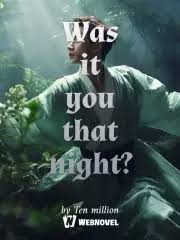
The Story in 3 Sentences
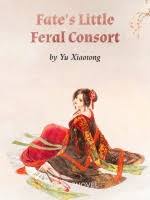
On the eve of her wedding, Shen Qinghe is publicly humiliated when Yan Changsheng cancels their marriage to bring home Nan Sheng, the destined female protagonist of a novel she suddenly realizes she’s trapped inside.
Awakening to her role as disposable cannon fodder fated to die—and her elder sister Shen Zhiyao as the universally despised villainess—Shen Qinghe abandons romantic delusions and dedicates herself to cultivation and protecting her sister.
Unknowingly siphoning the female lead’s narrative luck, she draws the obsessive attention of multiple male leads, culminating in Dongfang Wuya’s ascension as Heavenly Emperor and his forceful claim of her as his Empress.
Why It Stands Out
1. A Cannon Fodder Who Refuses to Be Burned
Instead of wallowing in victimhood or chasing redemption through romance, Shen Qinghe immediately pivots to self-strengthening the moment she grasps her doomed fate. Her pragmatism—cultivating, scheming, and shielding her sister—subverts the passive reborn heroine trope, making her agency the engine of the plot rather than a side effect of male validation.
2. Male Leads as Narrative Landmines
The novel weaponizes the “crazy male lead” archetype by stacking three of them—Yan Changsheng, Xiao Chen, and Dongfang Wuya—each escalating in intensity and entitlement. Their obsession isn’t framed as flattering but suffocating, turning romantic fantasy into psychological tension where affection feels like possession and devotion borders on coercion.
3. Villainess Reclamation Without Redemption Bait
Shen Zhiyao isn’t softened into a misunderstood sweetheart; she remains sharp, proud, and unapologetically combative. The story defends her not by rewriting her actions but by contextualizing her within a rigged narrative that vilifies women who defy passive femininity—a rare refusal to sanitize the “evil older sister” for audience comfort.
Characters That Leave a Mark
There’s Shen Zhiyao – the elder sister branded as the malevolent supporting character everyone loves to hate, yet fiercely protective of Shen Qinghe and unbroken by public scorn, wielding her reputation like armor rather than shame.
You’ll meet Nan Sheng, who steps into the sect as the fated female protagonist destined to captivate all male leads, yet finds her narrative dominance eroded as Shen Qinghe unintentionally steals her luck and upends the story’s predetermined hierarchy.
And Dongfang Wuya? They’re the one who begins as the aloof, cultivation-obsessed paragon of the Sky Pole Sect, coldly dismissing love as distraction—only to become the most dangerously possessive of all, seizing heaven itself just to crown Shen Qinghe as his unwilling Empress.
The Flaws Fans Debate
Some readers criticize the regression in Shen Qinghe’s agency in later chapters, where her early assertiveness gives way to passivity under Dongfang Wuya’s overwhelming control, undermining her initial promise as a self-determined heroine.
The romantic development between the female lead and Dongfang Wuya feels unbalanced to many fans, with his narcissism and demands never truly challenged or transformed, leaving their dynamic more coercive than consensual.
Nan Sheng’s characterization leans heavily into shallow antagonism without sufficient depth, making her less a rival and more a plot device—her popularity within the sect often cited as unconvincing given her transparent manipulations.
Must-Experience Arcs
Ch. 1–30: Wedding Ruin and Awakening – Shen Qinghe’s public rejection by Yan Changsheng triggers her realization that she’s trapped in a novel as disposable fodder, setting her on a path of cultivation and sisterly protection while Nan Sheng assumes the role of beloved heroine.
Ch. 100–150: The Kidnapping and Sect Confrontation – After Shen Zhiyao is targeted and nearly killed, Shen Qinghe confronts the sect’s hypocrisy and Nan Sheng’s schemes head-on, exposing hidden alliances and forcing male leads to reveal their true colors amid escalating tension.
Ch. 280–319: Heavenly Ascension and Forced Coronation – Dongfang Wuya seizes the throne of Heavenly Emperor and declares Shen Qinghe his Empress against her will, culminating in a finale where narrative fate, personal desire, and cosmic power collide in a resolution that prioritizes dramatic impact over romantic reciprocity.
Killer Quotes
“Focus on your cultivation, do not get distracted by romantic entanglements!”
“Be my Daoist companion, and I’ll aid you in cultivation, hmm?”
Cultural Impact
Fans frequently meme Dongfang Wuya’s whiplash shift from “love is dirt” to “you will be my Empress” as the ultimate yandere glow-up.
The novel sparked debates across Webnovel comment sections about whether Shen Qinghe’s ending constitutes empowerment or surrender, with readers split on whether her coronation is victory or capture.
Its popularity led to repeated requests for faster updates, with readers expressing “withdrawal” during slow release periods, highlighting its addictive pacing despite narrative criticisms.
Final Verdict
Start Here If You Want:
A fast-paced cultivation drama where the heroine fights narrative fate with pragmatism over tears.
High-stakes romantic tension wrapped in xianxia aesthetics and power imbalances.
Sisterly loyalty as the emotional core, resisting the genre’s tendency to isolate female leads.
Study If You Love:
Deconstructions of isekai/reborn tropes from within the system rather than outside it.
Explorations of how “destiny” in fantasy narratives often functions as social control over women.
The interplay between luck, merit, and perception in cultivation hierarchies.
Avoid If You Prefer:
Consensual, evenly balanced romantic development without coercion or power asymmetry.
Villainesses who undergo moral redemption or soft emotional arcs.
Heroines who maintain consistent agency throughout without narrative backsliding.