The Story in 3 Sentences
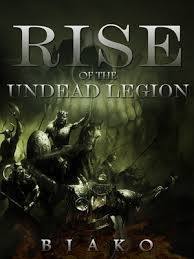
Dave Ruster, a broke small-town worker with no family or prospects, gets injured and discovers the VR game Conquest just as his life hits rock bottom.
Inside the game world, he transforms from a desperate nobody into a powerful necromancer commanding legions of undead, climbing from the weakest player to one of the strongest.
What begins as virtual escapism becomes a journey of self-discovery and empowerment as Dave builds his undead army and conquers both the game world and his real-world limitations.
Why It Stands Out
1. Zero to Hero Done Right
This isn’t another overpowered protagonist story. Dave starts as literally the weakest possible character in Conquest, with terrible stats and no advantages. His rise to commanding undead legions feels earned through genuine struggle, smart thinking, and persistence rather than convenient power-ups or lucky breaks.
2. Virtual Reality With Real Consequences
The game world of Conquest isn’t just background scenery. It’s a living, breathing universe with complex politics, economics, and relationships that mirror and impact Dave’s real life. The author creates a believable VR experience where virtual achievements translate into real-world opportunities and personal growth.
3. Necromancy as Strategy, Not Edge
Most undead-themed stories focus on the creepy factor or overwhelming power. Here, commanding undead becomes a complex strategic game involving resource management, tactical planning, and understanding of game mechanics. Dave’s success comes from outsmarting opponents, not just overwhelming them with skeleton hordes.
Characters That Leave a Mark
There’s Mercy – the S-Class Legacy Holder assassin who’s also the mafia boss’s daughter that ran over Dave at the story’s beginning, later becoming his complex ally despite their strained relationship.
You’ll meet Ralph Rupert, who goes by Blaster and becomes a Division Captain in the Devastators guild, forming connections that bridge the gap between Dave’s undead army and traditional player factions.
And Lone Arrow? They’re the one who becomes Dave’s trusted friend and business partner, helping him navigate both the virtual politics of Conquest and real-world contract negotiations.
The Flaws Fans Debate
Some readers find the info dumps about game mechanics excessive, especially in early chapters where world-building takes precedence over character development.
The pacing occasionally stutters when switching between real-world scenes and game sequences, with some fans preferring more focus on the virtual adventures.
A few critics argue that certain plot conveniences feel too convenient, particularly how Dave’s real-world problems align perfectly with his in-game solutions.
Must-Experience Arcs
Ch. 18-76: Elite Skeleton Rise – Dave transforms from commanding basic undead to upgrading his key minions like Bud into Elite Skeletons, learning the intricacies of necromantic hierarchy.
Ch. 111-153: Red Fortress Command – Dave establishes his first major stronghold and gains land management responsibilities, marking his transition from wandering player to territorial commander.
Ch. 315+: Doom Knight Ascension – The culmination of Dave’s undead evolution system as Bud and his core minions achieve Doom Knight status, representing the peak of his necromantic mastery.
Killer Quotes
“I will be representing Dave in signing this contract so all discussion shall go through me first.”
“Are you alright?” “Yea, but I don’t think I am welcome here anymore.”
“Hey, you. I called to see how you were doing.”
Cultural Impact
Helped establish the “weak to strong” necromancer archetype in LitRPG fiction, inspiring numerous imitators featuring undead armies.
Built a dedicated fanbase on WebNovel with over 564 chapters, proving reader appetite for long-form VR gaming stories.
Spawned countless discussions about optimal necromancer builds and strategies in gaming communities, with fans creating guides based on Dave’s techniques.
Final Verdict
Start Here If You Want:
A satisfying underdog story where every victory feels genuinely earned through effort and intelligence rather than plot armor or convenient power-ups.
Deep VR world-building that treats the game mechanics seriously, creating an immersive experience that feels like actual gaming rather than fantasy with game terminology.
Strategic necromancy that focuses on tactical thinking and resource management over simple power fantasy, making the undead army feel like a earned achievement.
Study If You Love:
Complex character development that shows realistic progression from desperate loser to confident leader through incremental growth and hard-won lessons.
Detailed exploration of how virtual achievements can translate into real-world confidence and opportunities, examining the psychological impact of gaming success.
Systematic magic and game mechanics that follow consistent rules, allowing readers to understand and predict how abilities and strategies will develop.
Avoid If You Prefer:
Fast-paced action stories, as this novel takes time to build its world and develop characters through methodical progression rather than constant battles.
Minimal exposition, since the story includes detailed explanations of game mechanics, world-building, and strategic planning that some find overwhelming.
Traditional fantasy settings, as the modern VR gaming context and technical elements may not appeal to readers seeking pure medieval fantasy experiences.