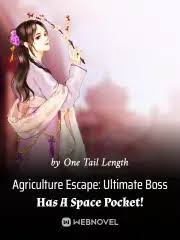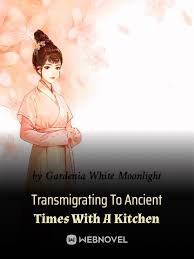
The Story in 3 Sentences
A battle-hardened mercenary queen from an apocalyptic future, Yun Ran, wakes up in the body of a despised, supposedly dim-witted noblewoman burdened with two mysterious toddlers and a reputation in ruins.
She quickly discovers her new children are anything but ordinary—one a poison prodigy with flawless recall, the other a spiritual anomaly whose tantrums shake the earth—and that she herself wields a divine spatial treasure vault, a contract with an ancient beast, and the skill to forge peerless pills.
Just as she prepares to dismantle her enemies with ruthless efficiency, a host of powerful suitors appears, but it’s the feared Ghost King Mo Beiyuan, branded by fate and shunned by society, who claims her as his own and steps out of darkness for the woman who dared to defy him.
Why It Stands Out
1. From Trash to Treasure Trove
The novel flips the “abandoned wife” trope on its head by making the protagonist not just competent but overwhelmingly capable—Yun Ran isn’t seeking validation; she’s auditing who deserves to stand beside her. Her transmigration isn’t a reset but an upgrade, and the story thrives on her unapologetic dominance.
2. Kids Who Carry the Plot, Not Just the Cuteness
Unlike many reincarnation romances where children serve as decorative props, Yun Ran’s twins are active narrative forces. Sweetcake’s genius and Bun’s earth-shaking power aren’t just quirks—they drive conflict, reveal lore, and catalyze emotional turning points, especially in Mo Beiyuan’s transformation.
3. The Ghost King’s Redemption Through Love, Not Power
Mo Beiyuan isn’t softened by Yun Ran’s beauty or tears; he’s undone by her defiance, her maternal ferocity, and her refusal to fear his cursed fate. Their dynamic avoids the usual possessive alpha cliché by grounding his devotion in awe, not control—making his vow “No one should even think of coveting my treasure” feel earned, not arrogant.
Characters That Leave a Mark
There’s Mo Beiyuan – the Ghost King branded by a destructive lone star, feared across five nations for his ghostly eyes and ruthless nature, yet the first to kneel not for power but for a woman who called him out.
You’ll meet Sweetcake, who may look like an angelic three-year-old but wields lethal knowledge of poisons and antidotes with the calm of a seasoned apothecary, often saving adults with a single whispered ingredient.
And Bun? They’re the one who stomps the ground in toddler frustration and accidentally triggers seismic tremors, his rare spiritual root a beacon of ancient power that reshapes the political landscape just by existing.
The Flaws Fans Debate
Some readers find the repetitive “face-slapping” confrontations—where Yun Ran humiliates antagonists in nearly identical fashion—grow tiresome and reduce narrative tension over hundreds of chapters.
The translation occasionally swaps pronouns or misgenders characters, momentarily breaking immersion for attentive readers.
While the children are compelling, their near-infallible talents sometimes border on plot armor, limiting genuine vulnerability in high-stakes moments.
Must-Experience Arcs
Ch. 1–40: Prime Minister’s Mansion Reckoning – Yun Ran awakens in her new body, assesses her disgraceful reputation, and dismantles the household’s scheming factions with cold precision, all while bonding with her enigmatic twins.
Ch. 300–350: The Ghost King’s Abyss – Mo Beiyuan confronts the parasitic Gu worm curse consuming him, forcing Yun Ran to choose between saving him with forbidden alchemy or preserving her own life force, deepening their emotional stakes beyond romance.
Ch. 890–929: Sweetcake’s Legacy – In the final chapters, the focus shifts to the daughter’s coming-of-age as she inherits her mother’s spatial legacy and her father’s strategic mind, closing the saga with a generational promise of balance between power and compassion.
Killer Quotes
“Close the door and release the demons. No one should even think of coveting my treasure.”
“She raised her hand and grabbed the sharp blade that was about to stab her heart.”
“Ranran, look at me—not the monster I become, but the man who chose you before the world chose to hate me.”
Cultural Impact
Fans on Webnovel consistently rank it among the top 5 romance-fantasy hybrids of 2024, with over 4.7 stars from thousands of reviews praising its “refreshing take on pre-made family tropes.”
The nickname “Sweetcake” for Yun Ran’s daughter became a meme across fan forums, symbolizing the perfect blend of cuteness and deadliness that defines the novel’s tone.
Readers who typically avoid “abandoned wife” stories admitted the novel converted them, with comments like “I paid coins despite swearing I wouldn’t—this family is just that lovable.”
Final Verdict
Start Here If You Want:
A female lead who’s already at peak power and never needs saving—only partnership.
A romance where the male lead’s darkness is healed by love, not erased by it.
Adorable yet formidable children who shape the world as much as the adults do.
Study If You Love:
Narratives that subvert xianxia gender roles by placing maternal strength at the core of world-shaking power.
The evolution of cursed male leads whose redemption hinges on emotional reciprocity, not just battlefield loyalty.
Stories where spatial storage, divine beasts, and alchemy serve character development, not just convenience.
Avoid If You Prefer:
Slow-burn romances with minimal conflict—this novel thrives on rapid escalation and decisive victories.
Realistic child behavior—these toddlers are narrative devices with supernatural agency.
Stories without clear moral binaries; here, villains are unambiguously punished, often spectacularly.